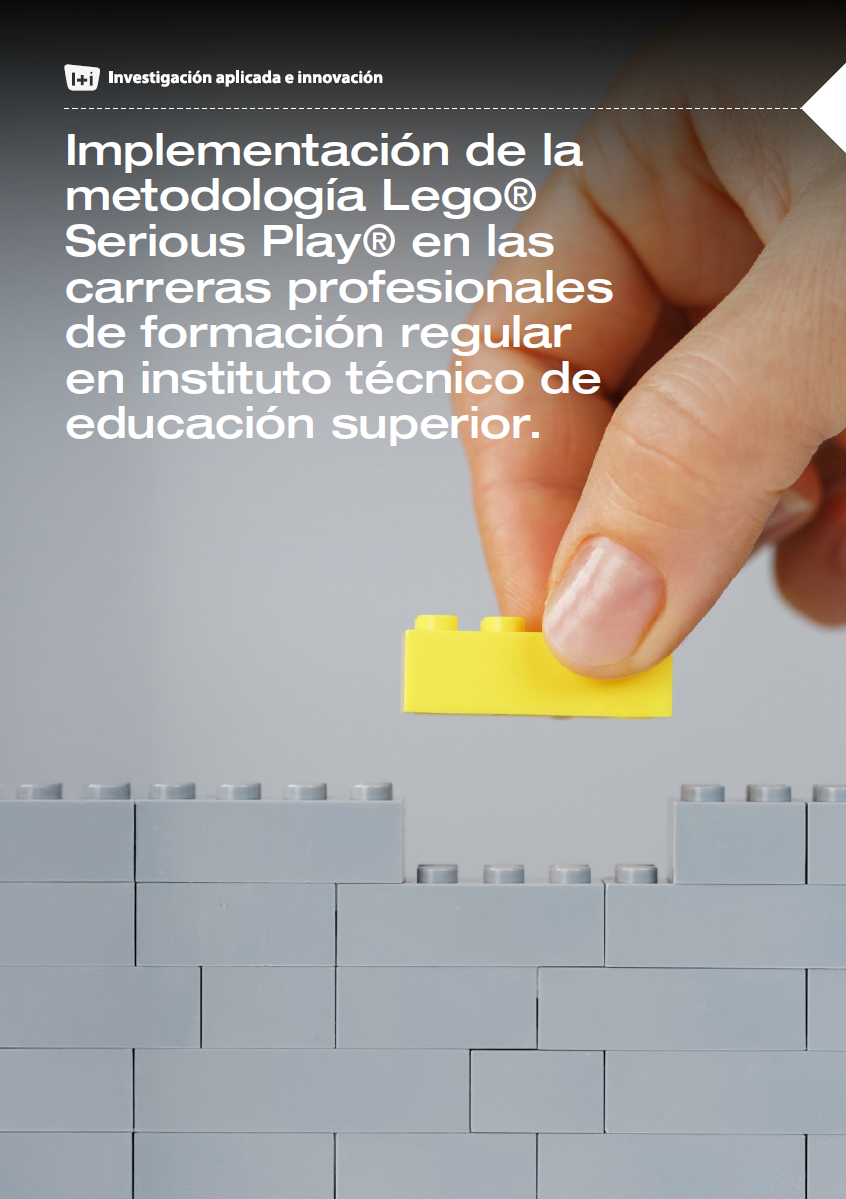
Lego® Serious Play®: A new way of teaching
DOI:
https://doi.org/10.71701/rqpe4g62Keywords:
Lego serious play, soft skills, satisfaction, collaborativa work, participation, gamificationAbstract
The main objective of this study is to measure the satisfaction of students in the Continuing Education Program (PFR) at Tecsup - Southern Campus through the implementation of the Lego® Serious Play® (LSP) methodology in PFR professional programs. The research employs an applied, explanatory design with a quantitative approach; furthermore, it is classified as field research since data were collected on-site. The population comprised PFR students from Tecsup - Southern Campus and the sample was composed of students from the following courses: Personal Development, Hardware and Software Support, Applied Basic Sciences, Oral and Written Expression Techniques, Market Research, Text Comprehension and Production, Waves and Heat, Continuous Improvement in Design, Quality and Continuous Improvement, Technological Research and Innovation, Project Innovation Design, Entrepreneurship, Professional Development, and Society and Sustainable Development. To evaluate the Lego® Serious Play® methodology, surveys were administered to students to determine their level of satisfaction at the end of the workshops.
The results show that 59% of students felt "Very satisfied" with the LSP methodology, and 34% indicated that they felt "Satisfied"; combined, this represents a 93% acceptance rate, demonstrating that students were pleased with the methodology. Additionally, it was observed that in 2023, approximately 1,865 students benefited from the methodology, learning through a "learning-by-doing" approach involving model building, challenges, and group storytelling. Furthermore, in 2024, participation grew to 3,956 students, representing a 112% increase. This increase reflects that the institution and teachers perceive LSP as a highly accepted methodology, which reinforces the decision to continue applying it in subsequent academic semesters. It is concluded that the methodology attracts, retains, and multiplies student participation, a finding reinforced by the results of the survey, in which respondents expressed being very satisfied with the experience.
Downloads
References
[1] Arias, F. (2012). El proyecto de investigación. Editorial Episteme.
[2] Blair, S., y Rillo, M. (2016). Seriouswork: Cómo facilitar reuniones y talleres con el método Lego® Serious Play®. Promeet.
[3] Cardoso, J., Dias, G., & Almeida, P. (2021). Developing soft skills in engineering education through Lego® Serious Play®: A case study. European Journal of Engineering Education, 46(4), 601–615. https://doi.org/10.1080/03043797.2020.1849025
[4] Castillo, R., & Ríos, L. (2023). Impacto del uso de Lego Serious Play en egresados de educación superior: Una perspectiva desde la empleabilidad. Revista Latinoamericana de Educación y Tecnología, 22(1), 87–101.
[5] Deterding, S., Dixon, D., Khaled, R., & Nacke, L. (2011). From game design elements to gamefulness: Defining "gamification". In Proceedings of the 15th International Academic MindTrek Conference: Envisioning Future Media Environments (pp. 9–15). ACM.
[6] Frick, E., Tardini, S., y Cantoni, L. (2013). White paper on Lego® Serious Play®: A state of the art of its applications in Europe. Università della Svizzera italiana. https://www.researchgate.net/publication/272507735
[7] Gauntlett, D. (2007). Creative explorations: New approaches to identities and audiences. Routledge.
[8] Hernández, R., Fernández, C., & Baptista, P. (2014). Metodología de la investigación.
[9] James, A. (2013). Lego® Serious Play®: A three-dimensional approach to learning development. Journal of Learning Development in Higher Education, (6), 1–18. https://doi.org/10.47408/jldhe.v0i6.208
[10] James, A. (2019). LEGO® Serious Play®: Thinking about teaching and learning through play. International Journal of Play, 8(1), 19–32. https://doi.org/10.1080/21594937.2019.1582845
[11] Kristiansen, P., & Rasmussen, R. (2014). Building a better business using the LEGO® Serious Play® method. Wiley.
[12] Ministerio de Educación del Perú (Minedu). (2022). Lineamientos para la mejora de la educación técnico-productiva y tecnológica. https://www.minedu.gob.pe
[13] OECD. (2021). Skills outlook 2021: Learning for life. OECD Publishing. https://doi.org/10.1787/0ae365b4-en
[14] Pérez, M., y Gómez, F. (2020). Aprendizaje experiencial mediante Lego Serious Play en la educación superior peruana. Revista de Innovación Educativa, 14(2), 55–70.
[15] Perna, M. (2021). Aquí están las 5 habilidades blandas principales que busco en los candidatos. Revista Forbes.
[16] Resnick, M. (2017). Lifelong kindergarten: Cultivating creativity through projects, passion, peers, and play. MIT Press.
[17] Sánchez, J., y Rengifo, A. (2020). Limitaciones en la implementación de metodologías activas en institutos tecnológicos del Perú. Revista de Educación y Tecnología, 15(2), 45–60.
[18] Soto, A., Hernández, M., y López, D. (2022). Aplicación de la metodología Lego Serious Play en el desarrollo de habilidades blandas en estudiantes de ingeniería. Revista de Tecnología Educativa de México, 28(3), 123–135.
[19] Torres, P., Valdés, H., & Herrera, J. (2022). Lego Serious Play como metodología activa en institutos técnicos: Evidencias desde Colombia. Revista Iberoamericana de Educación Técnica, 9(2), 34–48.
[20] Zenk, L., Hynek, N., Schreder, G., Zenk, A., Pausits, A., & Steiner, G. (2018), Diseño de cursos de innovación en educación superior con LEGO® SERIOUS PLAY®. Revista Internacional de Gestión e Investigación Aplicada, 5(4), 245-263. https://doi.org/10.18646/2056.54.18-019
Downloads
Published
Issue
Section
License
Copyright (c) 2025 José Rojas, Raul Alexander Cayra Sutta (Autor/a)

This work is licensed under a Creative Commons Attribution-NonCommercial 4.0 International License.